
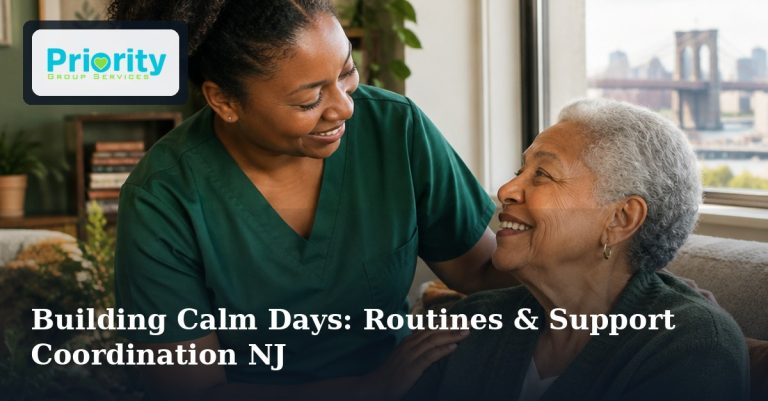
Life can feel overwhelming, especially when daily routines are unpredictable. For adults with intellectual and developmental disabilities (I/DD), a lack of structure can often lead to increased anxiety and stress. Creating consistent routines provides a sense of security and predictability, empowering individuals to navigate their days with greater confidence. This post will explore how establishing clear routines can significantly reduce anxiety and how `support coordination NJ` can be a valuable partner in building a stable, fulfilling life.
Why Routines Matter for Reducing Anxiety
Predictability is a powerful tool for managing anxiety. When an individual knows what to expect, they feel more in control, reducing the fear of the unknown. For adults with I/DD, routines offer a stable framework that minimizes sensory overload and the mental effort required to process new or unexpected situations. This consistency helps build self-esteem and independence.
A well-structured routine can create a calming rhythm to the day. It helps individuals anticipate transitions, understand expectations, and participate more fully in their own lives. This isn’t about rigid schedules but about creating a supportive structure that promotes peace of mind and reduces daily stressors.
Crafting Your Daily Blueprint: Practical Steps
Building an effective routine starts with small, manageable steps. Begin by outlining key activities for morning, afternoon, and evening. Think about wake-up times, meal times, personal care, and dedicated periods for activities, learning, or relaxation. Visual schedules, like picture cards or written checklists, can be incredibly helpful.
Involve the individual in the planning process as much as possible. Their input ensures the routine is person-centered and reflects their preferences and capabilities. Remember, the goal is to create a predictable flow that supports their well-being, not to impose a strict schedule without their voice.
Expanding Your Routine: Weekly and Beyond
While daily routines are foundational, expanding this structure to weekly and monthly plans offers even greater benefits. Consider incorporating regular appointments, social engagements, skill-building activities, and community outings into a broader schedule. This helps individuals look forward to events and prepare for them.
Understanding how `NJ DDD services for adults` fit into this larger picture is crucial. These services can provide opportunities for employment, community inclusion, and skill development, all of which can be integrated into a meaningful routine. A comprehensive plan ensures that the individual’s time is spent purposefully, fostering growth and connection.
How a DDD Support Coordinator Essex County Can Help
Navigating the world of services and building effective routines can be complex. This is where a `DDD support coordinator Essex County` becomes an invaluable ally. A support coordinator works directly with individuals and their families to understand their unique needs, goals, and preferences. They act as an advocate, guide, and resource connector.
A support coordinator helps identify appropriate `NJ DDD services for adults`, assists with paperwork, and ensures that the individual’s Person-Centered Plan is implemented effectively. They can also help brainstorm and develop personalized daily and weekly routines that incorporate these services, ensuring a holistic approach to reducing anxiety and promoting independence. Their expertise in `support coordination NJ` means they understand how to tailor support to each person.
Tips for Making Routines Stick
Consistency is key, but so is flexibility. Life happens, and routines may need slight adjustments. Start by focusing on a few core elements, then gradually add more as comfort grows. Celebrate small victories and acknowledge progress to build motivation.
Communication is also vital. Regularly check in with the individual to see how the routine is working for them. Are there parts that feel challenging? Are there new interests that could be incorporated? A routine should be a living document that evolves with the individual’s needs and aspirations.
Frequently Asked Questions
What are NJ DDD services for adults?
The New Jersey Division of Developmental Disabilities (DDD) provides publicly funded services for eligible adults (age 21 and older) with intellectual and developmental disabilities. These services are designed to help individuals live as independently as possible in their communities. Services can include support for employment, community inclusion, residential options, and therapeutic services, all tailored to individual needs.
How does support coordination NJ help with routines?
A `support coordination NJ` agency helps individuals and families develop and implement person-centered routines by connecting them with appropriate DDD services. Your support coordinator will assess the individual’s strengths, preferences, and goals, then work with you to create a plan that integrates services like day programs, employment support, or community activities into a structured daily and weekly schedule. This helps ensure consistency and reduces anxiety by making expectations clear.
Who needs a DDD support coordinator Essex County?
Any adult (21+) in New Jersey who is eligible for DDD services can benefit from a support coordinator. For families in `Essex County`, a local `DDD support coordinator Essex County` offers specialized knowledge of community resources and services in the area. They can help navigate the DDD system, find the right providers, and build a supportive network that promotes independence and well-being close to home.
Building a life filled with purpose and calm is achievable through thoughtful planning and consistent routines. These structures empower individuals, reduce anxiety, and foster greater independence. With the right `support coordination NJ`, you don’t have to navigate this journey alone. A dedicated support coordinator can help you access the services and strategies needed to create a stable and enriching daily life.
Choose Priority Group Services NJ as your support coordination agency — call (201) 305-0936.