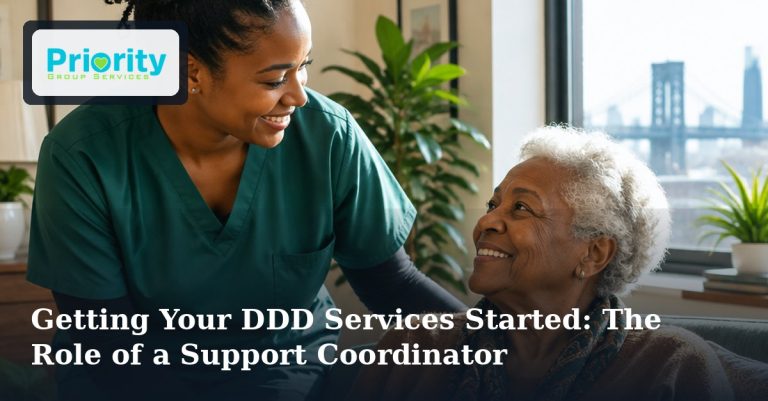
Navigating the world of Developmental Disabilities (DDD) services can feel overwhelming, especially when you’ve been approved but haven’t seen any services start. This guide will help you understand how a support coordinator can get your plan moving, ensuring you receive the care and support you need.
How a Support Coordinator Can Help
A support coordinator is your advocate and guide through the DDD system. They work closely with you and your family to make sure your needs are understood and met. If your services have not started, a support coordinator can help identify any roadblocks and work to resolve them. For example, they can help address issues such as delays in completing assessments or navigating complex paperwork. They ensure that your annual plan review is comprehensive and that all necessary steps are taken to implement your care plan effectively.
Practical Example
Imagine a family member who has been approved for DDD services but is still waiting for services to start. The family might be unsure about the next steps and the paperwork required. A support coordinator can step in, gather all the necessary documents, and ensure that everything is in order. They can also follow up with the DDD office to ensure that the application is not just sitting in a queue.
Understanding the DDD Process
When you or your loved one is approved for DDD services, the process doesn’t end there. There are several steps involved before services actually begin. A support coordinator helps streamline these steps, from completing necessary assessments to coordinating with healthcare providers. They ensure that all paperwork is in order and that the right services are matched to your specific needs. For instance, if a family member has been approved but the services are delayed due to missing documentation, a support coordinator can help gather and submit the required forms to expedite the process.
Practical Example
Let’s say a family member has been approved for DDD services, but the family is confused about the next steps. A support coordinator can help the family understand what assessments are needed, who needs to complete them, and how to get them done. They can also help with the paperwork, ensuring that everything is filled out correctly and submitted on time.
Steps to Get Your Plan Moving
1. Initial Assessment: This is a crucial step where your specific needs are identified. A support coordinator can help ensure this process is thorough and reflective of your actual needs. For example, they can assist in arranging a comprehensive assessment that includes input from healthcare professionals, educators, and family members.
### Practical Example
For a young adult transitioning from school to adult services, a support coordinator can arrange for an assessment that includes input from a school psychologist, a speech therapist, and a family doctor. This ensures a comprehensive understanding of the individual’s needs.
2. Annual Plan Review: During this review, your support coordinator will work with you to update your plan and ensure it remains relevant and effective. They will also address any changes or new needs that have arisen. For instance, if a family member’s needs have changed due to a recent diagnosis, the support coordinator can help incorporate these changes into the plan.
### Practical Example
If a family member has recently been diagnosed with a new condition that affects their mobility, the support coordinator can update the plan to include additional physical therapy services and ensure that the right professionals are assigned to the case.
3. Service Implementation: Once your plan is finalized, the next step is to start the services. A support coordinator helps coordinate with healthcare staffing agencies to ensure that the right professionals are in place to provide the care you need. For example, they can work with a healthcare staffing agency to find per diem nursing in NJ to provide immediate care while permanent placements are secured.
### Practical Example
If a family member needs immediate nursing care due to a recent hospital discharge, a support coordinator can work with a healthcare staffing agency to find a qualified per diem nurse who can provide immediate care until a permanent placement is secured.
Frequently Asked Questions
What if I need immediate care?
If you have immediate care needs, a support coordinator can help identify emergency resources and ensure you are connected with the necessary services as quickly as possible. For example, they can work with a healthcare staffing agency to provide per diem nursing services in NJ.
Can a support coordinator help find per diem nursing in NJ?
Absolutely. A support coordinator can work with healthcare staffing agencies to secure per diem nursing services in New Jersey, ensuring you have the care you need when you need it. For instance, they can help find a qualified nurse to provide immediate care while other services are being arranged.
What if my services still don’t start after working with a support coordinator?
If services still haven’t started despite working with a support coordinator, it’s important to escalate the issue. Your support coordinator can help you connect with higher-level supports within the DDD system to ensure your needs are addressed. For example, they can help you reach out to a regional office or a state-level administrator to advocate for your needs.
What if I need additional support beyond the annual plan review?
If you need additional support beyond the annual plan review, your support coordinator can help you navigate the system to find additional resources. For instance, they can assist in identifying community programs, additional healthcare services, or support groups that can complement your current plan.
What happens if the support coordinator and I disagree on the plan?
If you and your support coordinator disagree on the plan, it’s important to communicate openly and find a resolution. Your support coordinator can help mediate the discussion and ensure that your concerns are addressed. If the issue cannot be resolved, you can escalate the matter to a higher level within the DDD system.
Conclusion
Getting your DDD services started can be a complex process, but with the help of a support coordinator, you can navigate it more smoothly. From initial assessments to securing the right care, a support coordinator ensures your plan is comprehensive and your services are implemented effectively. If you need NJ staffing coverage or more information on support coordination, request coverage at https://prioritygroupsnj.org/contact/.
This article is for informational purposes only and is not medical advice. Please consult a licensed healthcare professional about your specific situation.